Baylen Dupree Reveals She Had Suicidal Thoughts amid Struggle with Tourette Syndrome

The reality star, 23, said she had to drop out of college due to her severe tic attacks
Baylen Dupree opened up her life to the public on her TLC series Baylen Out Loud, and she’s continuing to share her personal stories, even when the TV cameras aren’t rolling.
On Tuesday, April 22, Dupree, her fiancé Colin Dooley and her parents appeared at an FYC panel event hosted by PEOPLE’s Janine Rubenstein, and the TikToker-turned-reality star opened up about some her darkest moments living with Tourette syndrome.
“I was embarrassed of who I was. I was in therapy four days a week. I didn’t want to be alive,” said 23-year-old Dupree. “I had to drop out of college because my other conditions got too bad. I looked at my parents and I said, ‘I got to go’ … They came, and they got me.”





As time has passed, she’s become increasingly more capable of managing her involuntary outbursts, and though viewers see how bad it can get on the series, Dupree said her Tourette syndrome is far less severe than it’s previously been. The type of tic attacks seen on Baylen Out Loud are “just a small glimpse of how hard my life was four years ago compared to what it is now,” she added.
“It’s 30 seconds of four years of my life,” the influencer reflected, thinking of the type of involuntary, erratic motor and vocal behaviors she displayed during the show’s first season. “I would say that small little fraction doesn’t even add up to the disaster of emotions and confusion and hopelessness.”
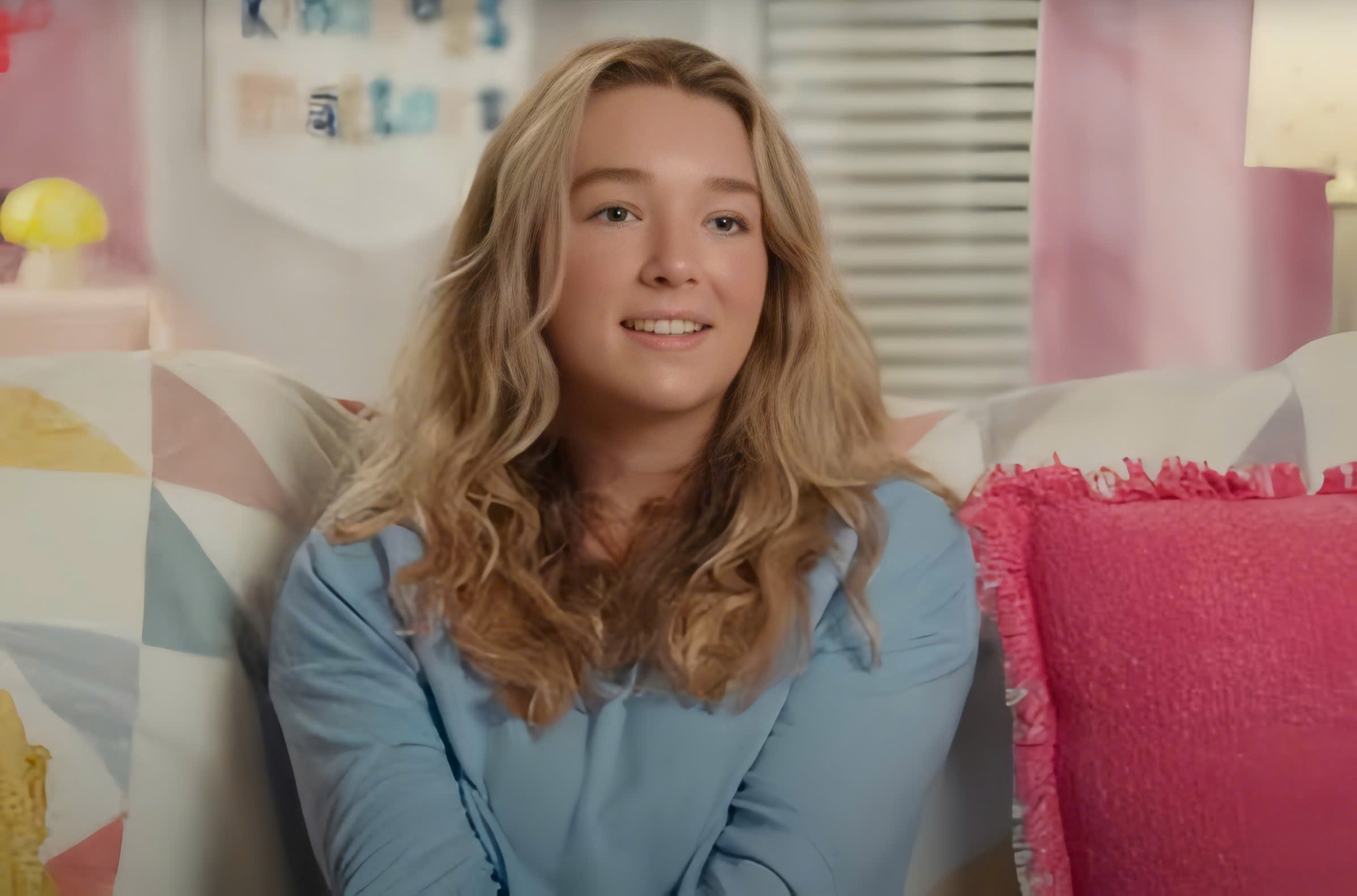
Since Dupree was formally diagnosed with Tourette syndrome in 2020, she’s been spreading awareness about the condition on various platforms. She originally garnered an audience on social media, where she now has over 12 million followers between TikTok and Instagram.
When she took her story to TV, Dupree told PEOPLE she hoped it would help her educate even more people about the reality of Tourette syndrome, including the fact that Tourette manifests differently in every case. Her specific tics are not a universal symptom of the disorder.
“When you’ve met one person with Tourette, you’ve only met one person with Tourette,” she said before the series premiere in January. “I feel like people need to know that it’s on a spectrum from mild to severe, and that’s how it should be looked at.”