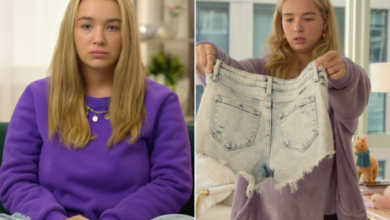
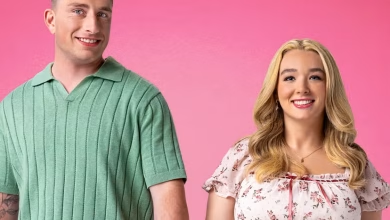
Baylen bravely took a risk and posted TikTok videos of her daily struggles with Tourette syndrome.
What happens when doctors say “hide yourself” — but the internet says “be seen”?
For Baylen Dupree, the answer changed her life.
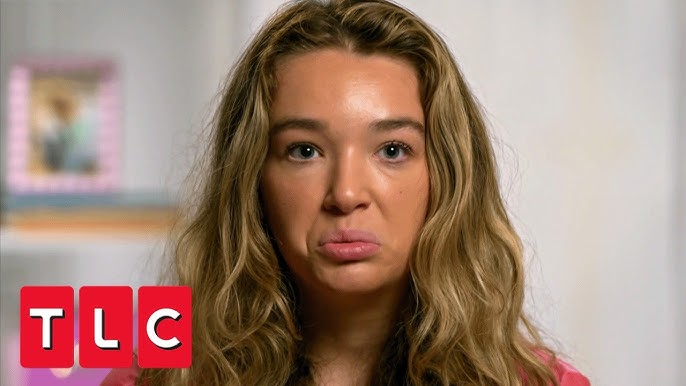
Baylen took a huge risk when she began posting raw, unfiltered TikTok videos showing her daily struggles with Tourette syndrome and OCD. What started as a deeply personal decision quickly turned into a viral phenomenon. Today, Baylen has more than three million followers — and a voice that refuses to be silenced.
Behind the views and likes is a daily battle. Baylen says her tics and obsessive-compulsive disorder affect her constantly, leaving her exhausted and overwhelmed. Her parents continue to search for ways to help her manage the condition, but progress hasn’t been easy.

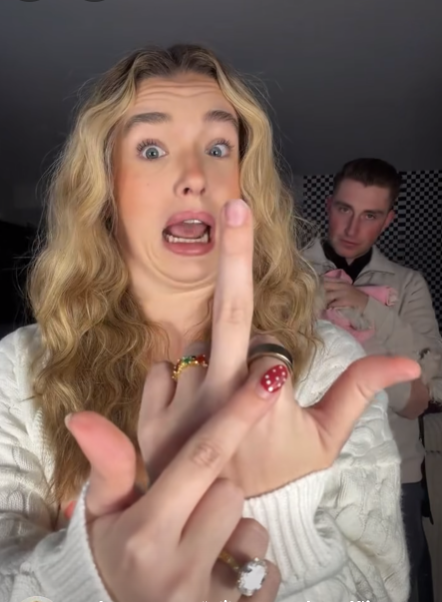
Baylen Dupree TLC, Instargam.
What shocked Baylen most wasn’t her diagnosis — it was the advice she received.
She revealed that doctors encouraged her to stay home and avoid the public eye. Social media, they warned, would make things worse.
Instead, it did the opposite.
Baylen says TikTok gave her something medicine couldn’t: confidence. Sharing her reality with millions helped her rebuild the courage to step outside again, interact with strangers, and reclaim parts of her life she thought were gone forever.
Her story recently took centre stage on The Dr. Phil Show, where Baylen appeared alongside singer and influencer Lele Pons — another public figure living with Tourette syndrome, OCD, and depression.
But while both women share similar diagnoses, their experiences online couldn’t be more different.
Lele opened up about facing intense backlash, trolling, and pressure after speaking publicly about her mental health. Baylen, meanwhile, found comfort and community — proof that social media can both heal and harm, depending on how it responds.
So what do these two women really have in common?
Dr. Phil explored that question by digging into their daily mental health battles and examining the powerful — and dangerous — role social media now plays in shaping self-worth, recovery, and public perception.
The conversation highlights a modern contradiction: platforms blamed for worsening mental health are also saving lives by giving people visibility, validation, and connection.
For Baylen, being seen didn’t break her — it brought her back.
And her story is forcing a difficult question into the spotlight:
Who decides what’s “healthy”?