Why the podcast gap matters
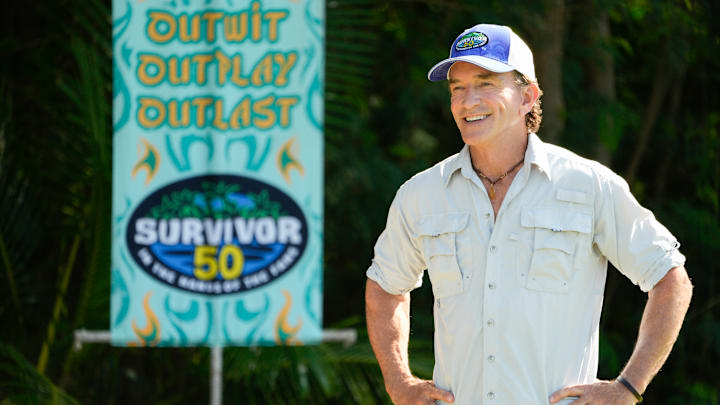
There are certainly players fans miss on the cast, and individual performances can leave viewers wanting more. But beyond who’s in the game, the real missing piece is the voice that helped translate the show’s mechanics into context. Jeff Probst — the show’s most visible steward — chose not to bring back his companion podcast, On Fire with Jeff Probst, and that choice reduces the season’s real-time narrative clarity.
Officially, Probst and CBS framed it as an intentional decision: Survivor 50 was designed as a celebration… we made a conscious decision not to immediately pull back the curtain while it was happening. We wanted fans to discover it on their own and experience it in real time. Then at the live finale, we’ll have the opportunity to reflect on all parts of the season together.
What the show loses without Jeff’s running commentary
That reasoning is understandable, but the consequence is a thinner conversation around the twists and turns that matter most to viewers. For many fans, Jeff’s episode walk-throughs with co-hosts and a former player added explanatory layers: why a move mattered strategically, how unusual mechanics functioned in practice, or the emotional weight of an injury or exit.

Podcasts hosted by former players offer valuable perspectives, but they don’t replace the producer-level insights Probst could provide. There are specific, timely topics that would benefit from immediate clarification — for example:




- How the Billie Eilish boomerang idol functions in practice and its strategic implications.
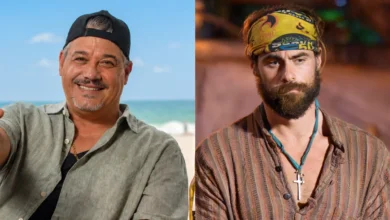
- What catalyzed the Rick Devens vs. Joe Hunter tension, and how producers viewed the fallout.
- Behind-the-scenes context around Kyle Fraser’s injury — not to sensationalize it, but to explain how the production and the cast responded.
Saving commentary for the finale is a trade-off
CBS’ plan to defer in-depth commentary to the live finale sacrifices the incremental, episode-by-episode enrichment that keeps many superfans engaged. Hearing “kernels” of insight as the season unfolds helps viewers re-evaluate plays, spot patterns, and sustain week-to-week discussion. Delaying that conversation until the postseason changes the way the season is experienced.
It’s possible Jeff is occupied preparing future seasons or working on other priorities. That’s legitimate. But from a production and fan-engagement standpoint, not using your most authoritative voice during a milestone season feels like a missed opportunity.