Survivor 50: One contestant “pays the price” after a side trip—why do players who take these journeys never seem to gain an advantage?!

A twist meant to add drama to Survivor is quietly turning into a liability for the players who volunteer.
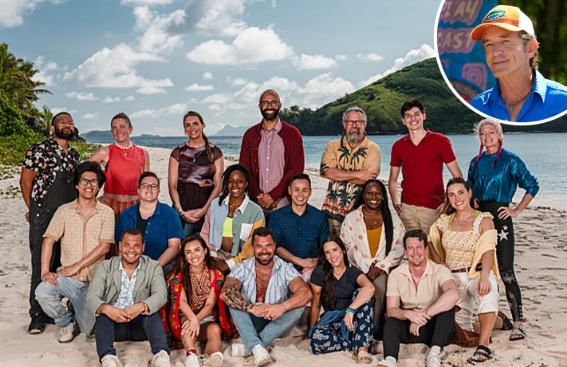
When Survivor introduced “journeys” in season 41, the idea was straightforward: one player from each tribe leaves camp to compete in a separate challenge. The payoff was mixed—one participant might gain an advantage, while the others could pick up a penalty.
Over time that trade-off has shown a darker side: journeys can create social exposure, secret information, and immediate targets at Tribal Council. That dynamic played out clearly in Survivor 50. Each tribe sent someone on a journey; Mike White lost a rock draw, so Colby Donaldson and Savannah Louie faced off in a block-stacking contest.
The contestants were told that whoever made the structure fall would lose—Colby wound up losing his vote. Savannah was told she had kept hers. What she wasn’t told in front of the others was that she had actually won a Block-a-Vote advantage (an ability that can interfere with votes). Only Savannah learned that second fact privately. Back at camp she did something many players would call reasonable: she reported the challenge outcome—the visible facts others could verify—but she kept the secret advantage to herself. That choice illustrates the problem with journeys: reveal the advantage and you become an obvious target; conceal it and you risk being seen as untrustworthy or deceitful. Either way, you attract suspicion.



Savannah’s situation was made worse by another common journey-related risk: social isolation.

She hadn’t played with or built strong relationships in that cast, so when questions and doubt surfaced, she had few allies. The tribe ultimately voted her out unanimously in episode 2, removing both her and the unseen advantage from the game. Had she not gone on the journey at all, it’s likely the target wouldn’t have landed so quickly.
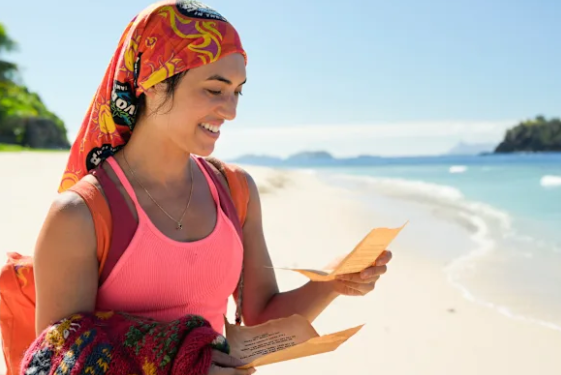
This is why many players now view journeys as one of the more dangerous elements to volunteer for: they elevate visibility, force impossible social choices, and can create instant liabilities even before Tribal Council.
Game designers may like the added tension, but for contestants the journeys often feel like a double-edged sword—an opportunity that can easily become a liability. Expect this debate to heat up as Survivor continues to evolve: will producers tweak journeys to reduce the social fallout, or will contestants increasingly refuse to participate? Stay tuned for more analysis and episode-by-episode breakdowns—we’ll keep watching how this high-stakes twist reshapes the game.