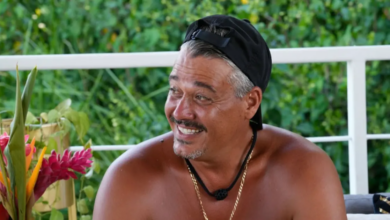
Survivor 50 players are all saying they want to win — but four castaways have begun to play differently, showing consistent moves that could either vault them forward or mark them for elimination. Here’s a concise look at who they are and why their choices matter now.

After the first major blindside, the strategic temperature on Survivor 50 has risen. While every remaining contestant claims they’re “playing to win,” the following four players have consistently shown the types of choices — alliance management, idol play, social manoeuvring and challenge contributions — that indicate they are actively trying to put themselves in a position to win. Below we summarize each player’s current standing, recent actions, strengths and the risks that could undo them.
Christian Hubicki
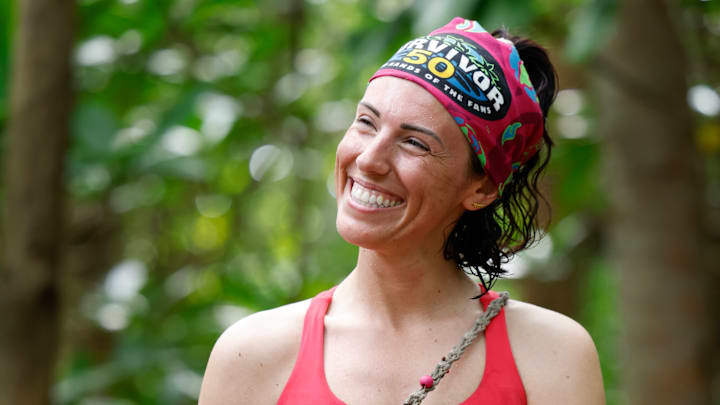
Christian has been the season’s most visible mover: directing votes, attending every Tribal Council and landing on the winning side so far. That track record signals influence and strong jury management potential — but it also creates a clear downside: everyone now knows he is actively trying to shape the game.
Having engineered some early outcomes, including voting out an ally (Mike White), Christian’s profile has risen. In the modern Survivor landscape, prominence tends to attract counters; being seen as the architect of outcomes can quickly convert perceived power into a target.
Summary: High upside from demonstrated leadership and vote control, but he must manage exposure or risk being the next big target.




Genevieve Mushaluk
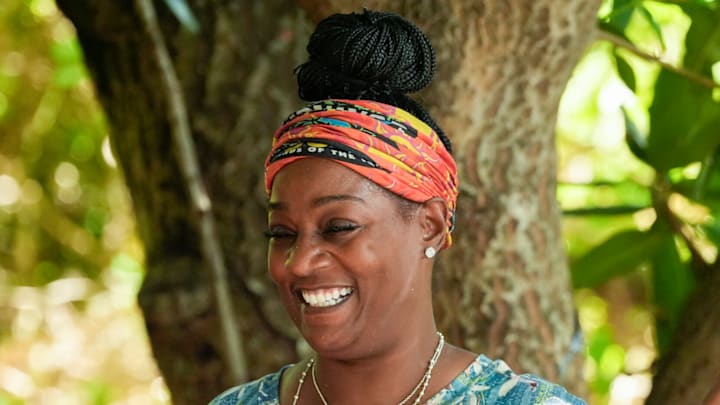
Genevieve stands out for her idol play: she’s reportedly found two of the season’s boomerang idols. Those assets create immediate bargaining power, and if the correct conditions occur (other players are voted out without using their idols), those items could “boomerang” back to her and change the balance of power.
Beyond raw advantages, Genevieve appears to have a practical read on where idols are located and on who holds influence. Her path forward depends on avoiding the obvious trap of becoming the foremost threat; discreetly leveraging idols, rather than flaunting them, will be critical.
Summary: Strong strategic position thanks to idol ownership and reads — success depends on timing and avoiding early overexposure.
Cirie Fields
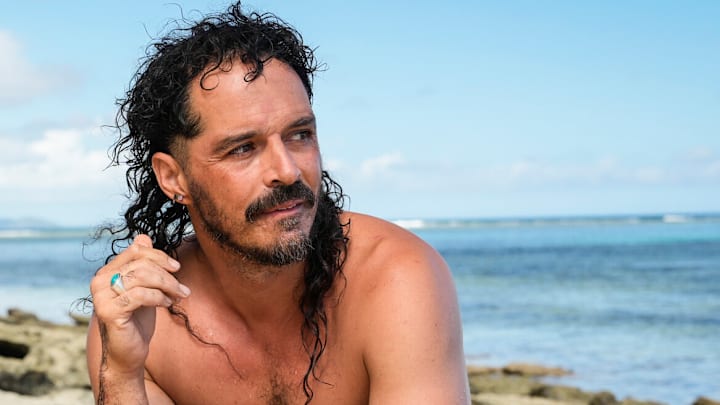
Cirie’s opening was shaky — she flubbed the tribe’s first challenge — but her social game and seasoned instincts have kept her safe. She’s demonstrated the ability to plant ideas and shepherd votes without making herself the headline player.
Where Cirie is strongest is in subtlety: making castaways feel heard and nudging outcomes without overt dominance. Her longevity in multiple seasons signals she understands timing and when to push. That makes her a steady contender if she avoids sudden, high-profile moves that paint her as the obvious decision-maker.
Summary: Experience and social skill give Cirie steady staying power; the test will be when the game demands a decisive, visible move.
Ozzy Lusth
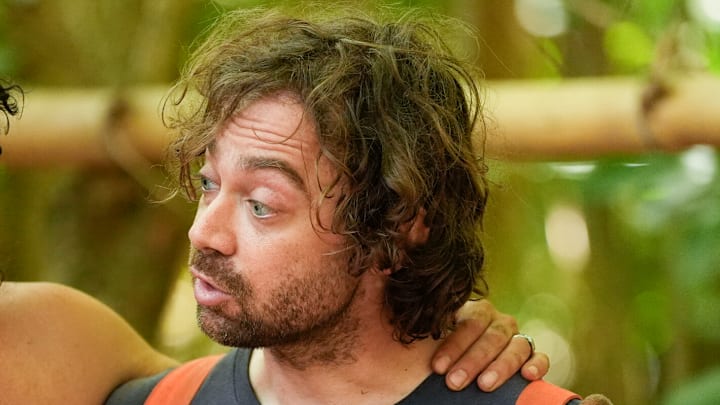
Ozzy’s reputation in previous seasons leaned toward challenge dominance but spotty social positioning. On Survivor 50 he appears to be adjusting: aligning with Cirie and offering advantages to demonstrate loyalty. That can buy shelter while he rebuilds social credibility.
Ozzy still brings challenge-winning ability and work-rate at camp — valuable currency — but his long-term viability depends on whether he can blend physical value with more dependable social reads. If he can, he becomes a genuine threat; if not, he risks being perceived as a one-dimensional asset to be cut when convenient.